Bood Sugar Levels – What IsNormal?: 17 Key Facts You Must Know
Understanding Bood Sugar Levels – What IsNormal? is an important part of managing your overall health. Blood sugar, or glucose, is your body’s primary source of energy. When these levels fall outside the normal range, it can affect your mood, energy, and long-term health. Millions of people struggle with unbalanced glucose without realizing it, so knowing the normal range helps you stay ahead of potential problems.
Let’s break down everything you need to know—from normal values to symptoms and daily habits that support healthy blood sugar.
Understanding Bood Sugar Levels – What IsNormal?
Blood sugar levels represent how much glucose is circulating in your blood at a given time. This number changes throughout the day depending on meals, exercise, hormones, and even stress.
What Blood Sugar Is and Why It Matters
Glucose fuels your brain and muscles. Too much or too little can make you feel tired, dizzy, or sick. Your body uses insulin to help keep levels steady.
How Your Body Regulates Glucose
After eating, your blood sugar rises. Insulin helps move that sugar into your cells for energy. When this system works well, your glucose remains balanced. When it doesn’t, blood sugar spikes or drops.
Normal Ranges for Blood Sugar Levels
Knowing the normal range helps you identify whether your levels fall into a healthy zone.
Fasting Blood Sugar Ranges
A fasting blood sugar test is taken after 8 hours with no food. Normal ranges are:
Post-Meal (Postprandial) Blood Sugar Levels
Two hours after eating:
-
Normal: Less than 140 mg/dL
-
Prediabetes: 140–199 mg/dL
-
Diabetes: 200 mg/dL or higher
A1C Levels and Long-Term Glucose Control
The A1C test shows your average blood sugar over 3 months:
-
Normal: Below 5.7%
-
Prediabetes: 5.7%–6.4%
-
Diabetes: 6.5% or higher
Factors That Influence Bood Sugar Levels
Many things affect your glucose daily.
Diet and Carbohydrate Intake
Carbs break down into sugar quickly. Foods like bread, rice, soda, and desserts raise blood sugar faster than proteins or fats.
Physical Activity and Exercise
Movement helps your muscles use glucose more efficiently, lowering blood sugar naturally.
Stress, Hormones, and Sleep
Stress hormones raise glucose. Lack of sleep can also increase insulin resistance, making blood sugar harder to manage.
Symptoms of Abnormal Blood Sugar Levels
Your body often warns you when levels are too high or too low.
Signs of High Blood Sugar (Hyperglycemia)
-
Frequent urination
-
Increased thirst
-
Blurred vision
-
Fatigue
-
Slow-healing wounds
Signs of Low Blood Sugar (Hypoglycemia)
-
Shakiness
-
Sweating
-
Hunger
-
Confusion
-
Irritability
Conditions Related to Abnormal Blood Sugar
Abnormal glucose levels can lead to serious chronic conditions.
Prediabetes and Type 2 Diabetes
Prediabetes is a warning stage. Type 2 diabetes occurs when your body becomes resistant to insulin or can’t produce enough.
Type 1 Diabetes and Insulin Issues
Type 1 diabetes happens when the body stops making insulin altogether and requires lifelong insulin therapy.
How to Maintain Healthy Blood Sugar Levels
Healthy habits help keep glucose levels steady.
Nutrition Tips for Balanced Glucose
-
Choose whole grains instead of refined carbs
-
Eat balanced meals with protein, healthy fats, and fiber
-
Avoid sugary drinks
-
Incorporate plenty of vegetables
Regular Physical Activity Guidelines
Aim for 30 minutes of exercise most days of the week. Even walking improves glucose control.
Monitoring and Checkups
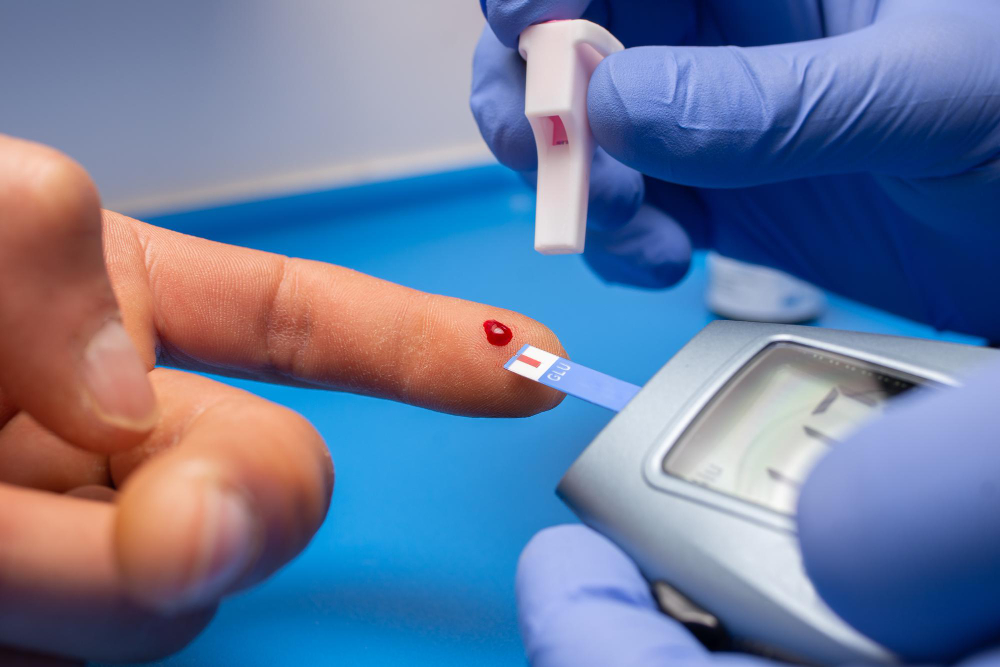
Routine testing helps you understand how daily habits affect your levels. Regular medical checkups also help detect issues early.
FAQs About Bood Sugar Levels – What IsNormal?
1. What is considered a normal blood sugar level?
Typically 70–99 mg/dL when fasting and under 140 mg/dL after meals.
2. How do I know if my blood sugar is too high?
Symptoms include thirst, fatigue, and frequent urination.
3. Can stress raise blood sugar?
Yes. Stress hormones increase glucose.
4. How often should I test my blood sugar?
It depends on your condition, but regular checks help track patterns.
5. What foods help lower blood sugar?
Leafy greens, nuts, proteins, whole grains, and high-fiber foods.
6. Can exercise reduce blood sugar immediately?
Yes. Activity helps muscles absorb glucose quickly.
Conclusion: Knowing Your Numbers for Better Health
Understanding Bood Sugar Levels – What IsNormal? helps you take charge of your health. With the right habits—balanced eating, movement, stress management, and regular checkups—you can maintain stable glucose levels and prevent long-term health problems. Awareness is the first step toward a healthier life.